
The Shikoku Pilgrimage
A path that cannot be reduced to one word.
Not religion. Not tourism.
For 1,200 years, it has continued to change those who walk it.
Older than its name.
The pilgrimage reaches back to the Heian era. Monks and ascetics walked the henchi — the coastal margins between sea and mountain — long before the route had a name.
The story of Kōbō Daishi (Kūkai) joined the path only in the Kamakura period.
This is not the path of one religion. It was here before any religion was placed upon it.
Gods and buddhas, side by side.
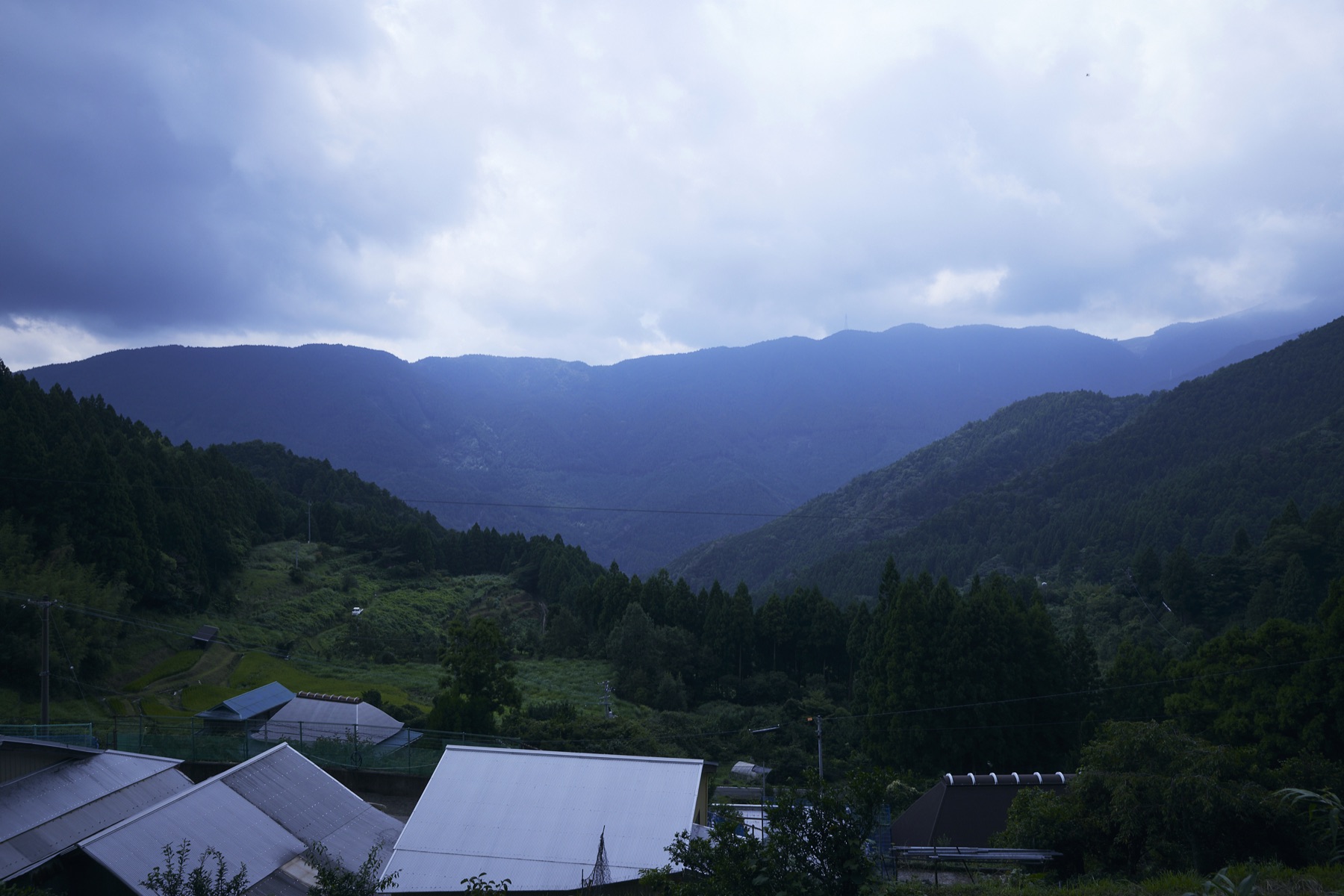
Before Meiji, Shikoku's pilgrimage sites were a fluid mix of temple and shrine. A temple was also a shrine. A shrine cradled a buddha.
The 1689 Shikoku Henrei Reijōki lists shrines among the official sites — Niida Five Shrines, Iwashimizu Hachimangū, Kotohiki Hachimangū.
Elsewhere, one must choose a single god. Here, everything was allowed to be, together.
Which is why, today, you need belong to no faith to walk it.
Four lands, one circle.
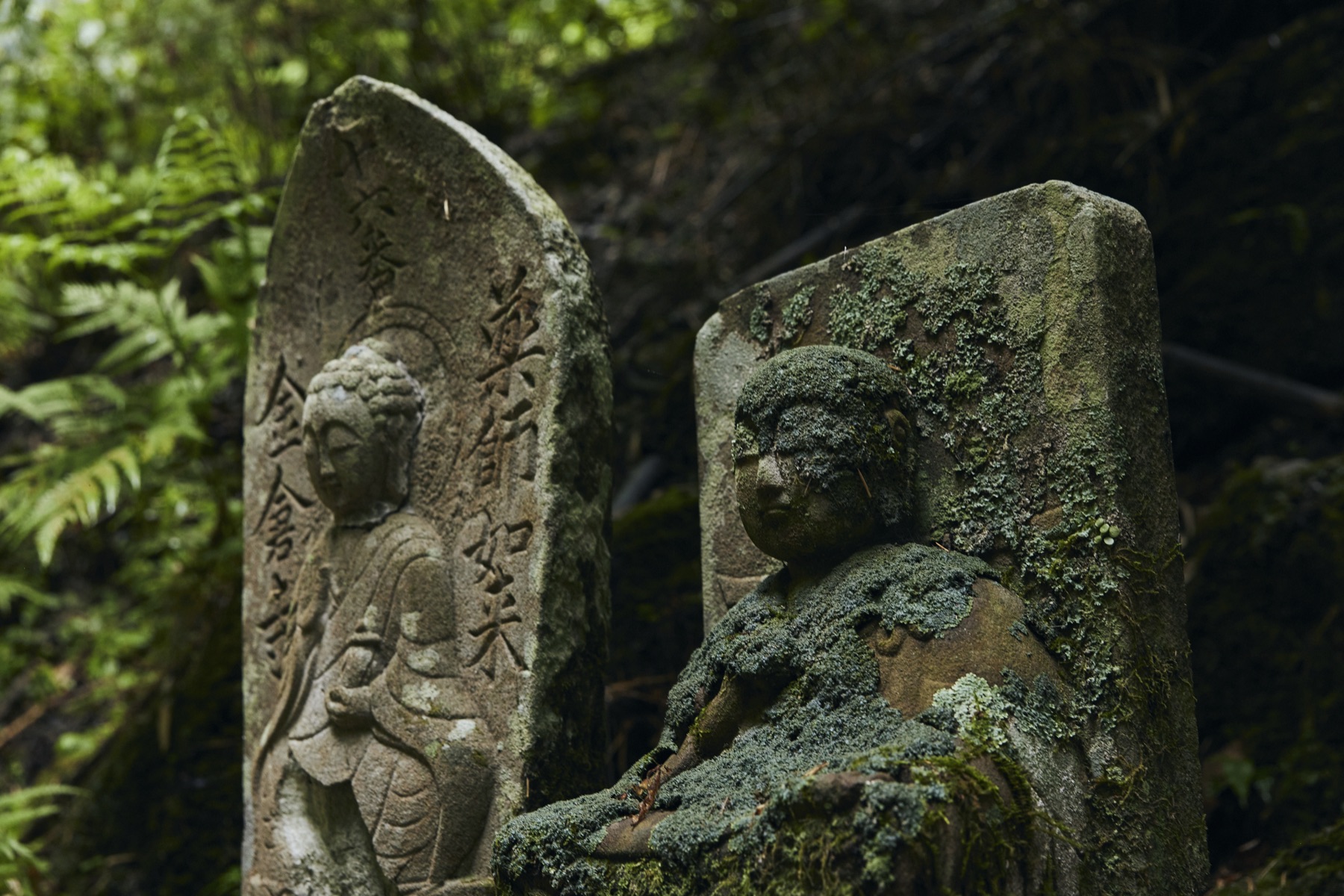
Shikoku is four lands. Each is a stage of the pilgrimage.
- Awa (Tokushima)Awakening — where you set your intention
- Tosa (Kōchi)Discipline — where you meet yourself
- Iyo (Ehime)Enlightenment — where what you carried comes undone
- Sanuki (Kagawa)Nirvana — where you arrive, quietly
1,400 kilometers. More than 40 days on foot.
But not all at once. Begin where you like. End where you like. Return as often as you need.
Not a path that goes and returns. A path that circles.
A path that has held every prayer.
The scholar Eiki Hoshino once wrote:
In the religious geography of Japan, from the Edo era through the modern period, no place has accepted the socially marginalized to the extent the Shikoku pilgrimage has.
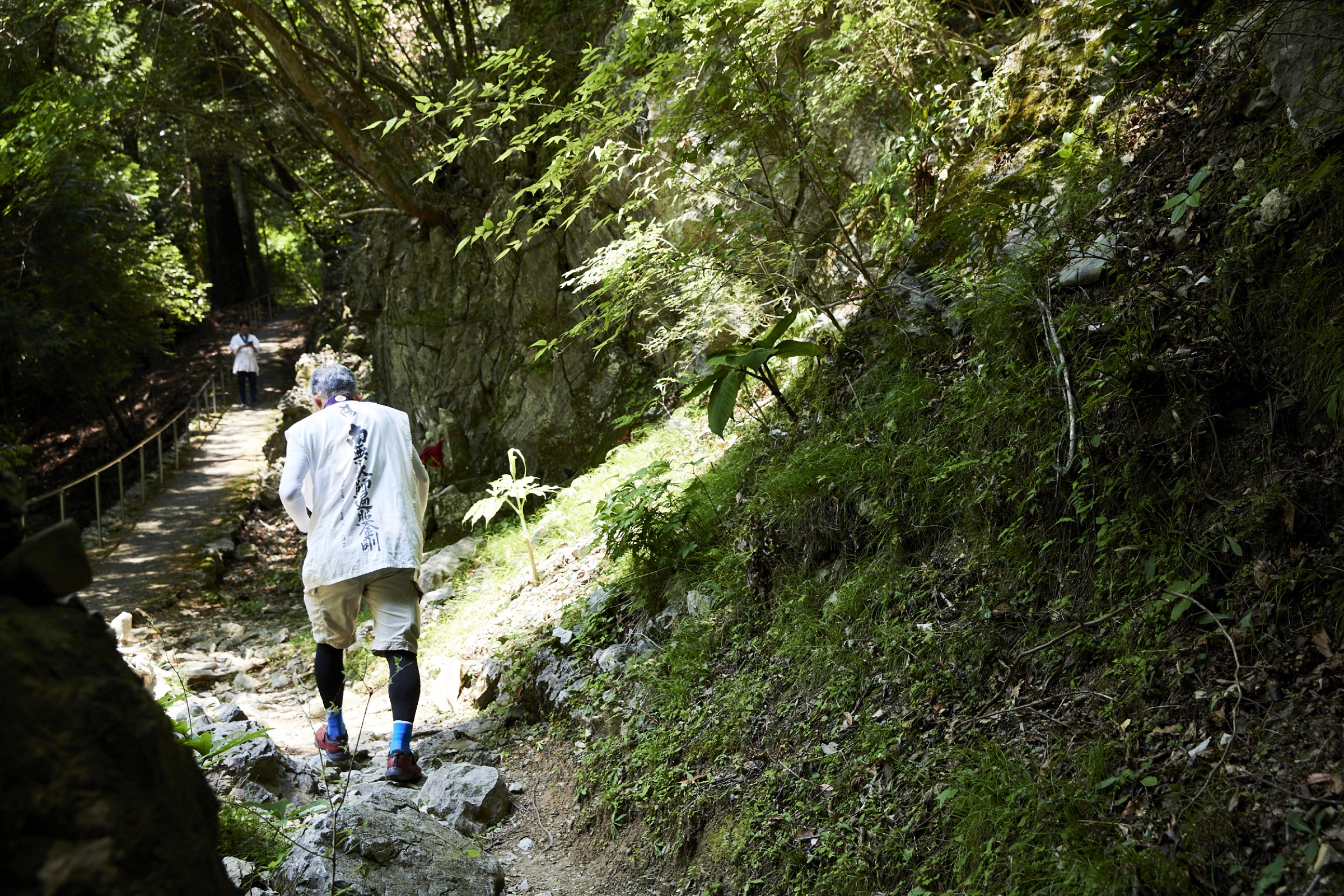
The strong and the unsteady. Those with means and those without. Those who carried an answer and those still looking for one.
The Shikoku pilgrimage has held every prayer with the same weight.
You need not believe. You need not understand. Only begin — and the path will receive you.

A circulation, unbroken.
For as long as anyone remembers, the path has carried a quiet practice called osettai.
Those who walked were held by those who lived along the way. Food. Water. At times, shelter.
This was not charity. The one who gave also received.
Between walker and host, a quiet circulation has continued for 1,200 years.
Why now.
Growth is reaching its end. What may matter now is relearning how to pause.
Perhaps we need not new values, but the rediscovery of one that has already run 1,200 years.
The Shikoku pilgrimage is one such answer.